
Around Town: Twenty Years at the Table: How Charleston Wine + Food Became a Festival With a Purpose
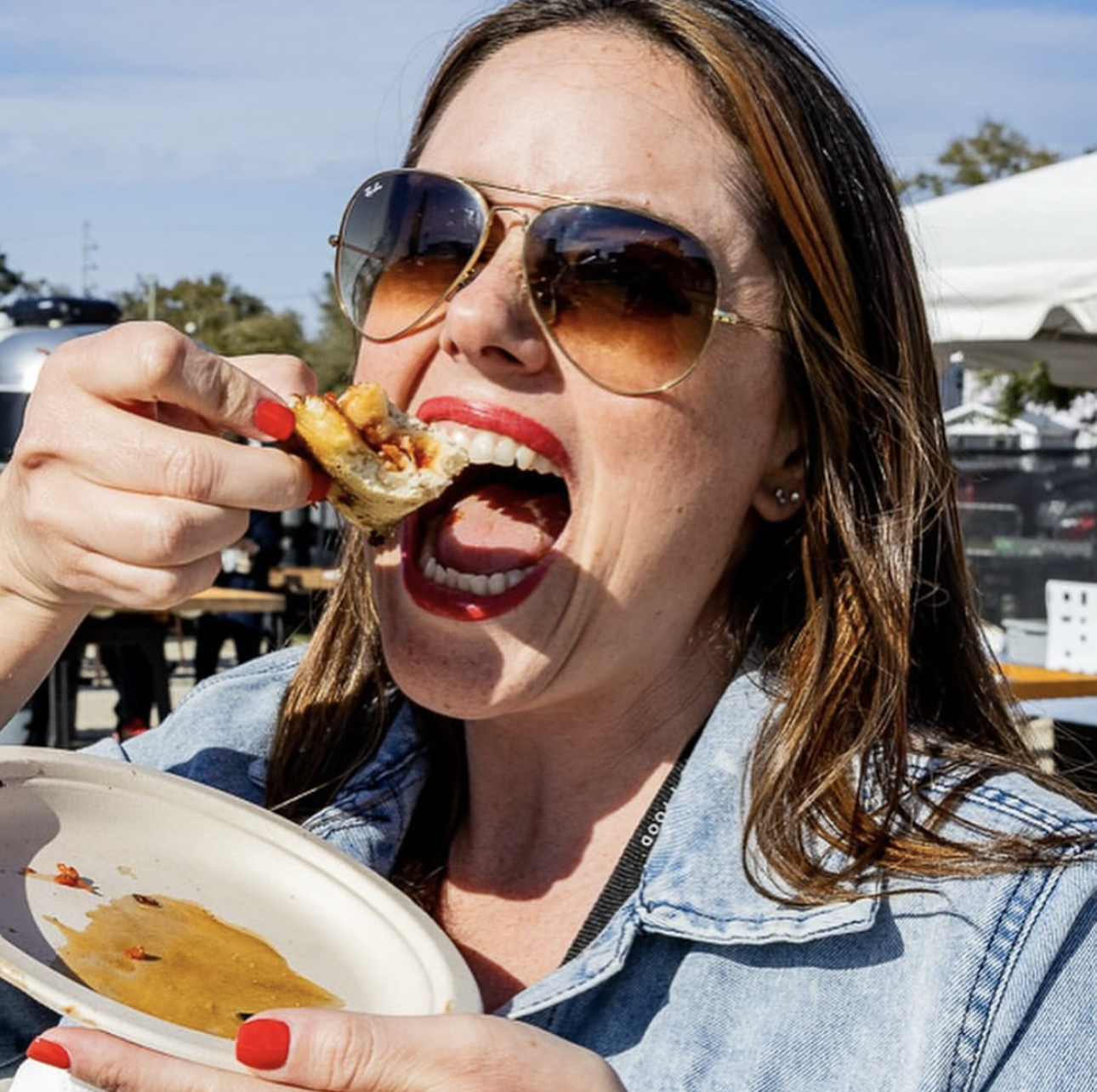
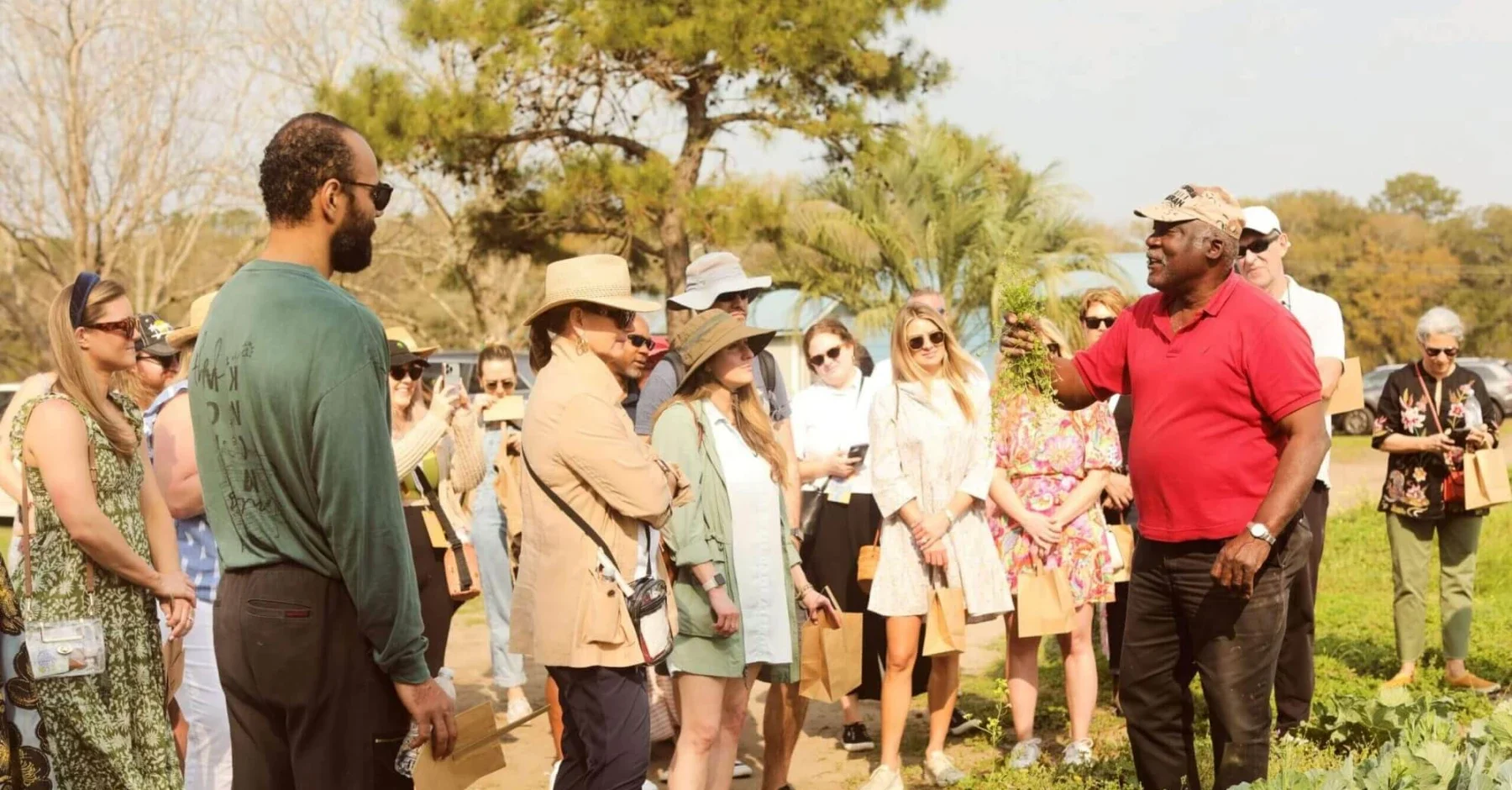
In 2026, Charleston Wine + Food will mark a major milestone: two decades of celebrating, elevating, and shaping the food and beverage culture of the greater Charleston area. What began as a grassroots gathering fueled by volunteers and local passion has evolved into a nationally respected festival—one that draws more than 26,000 attendees annually, generates over $210 million in economic impact, and has contributed more than $550,000 back into the community it represents.
Yet even with that growth, Charleston Wine + Food (CHSWF) has never lost sight of what made it special in the first place. From its earliest days—when the festival consisted of modest but meaningful events like the Culinary Village and Bubbles & Sweets—the focus was never just on food for food’s sake. It was about people, place, and purpose.
Founded as a 501(c)(3) by early leaders including Marc Collins and Angel Holmes, the festival was built with intention. Education and preservation were written directly into its bylaws. The goal was to tell authentic stories, to provide a platform for local chefs, hotels, farmers, fishers, and purveyors, and to preserve Charleston’s culinary history while actively shaping its future.
“Telling authentic stories was always the goal,” says Alyssa Maute Smith, Executive Director of Charleston Wine + Food. “And even going into year 20, that’s still a priority.”
Smith joined the organization in 2016 in a marketing role and has grown alongside the festival itself, helping guide it through a period of both expansion and deeper impact. Under her leadership, the festival has sharpened its focus on community-centered programming—ensuring that the success of Charleston Wine + Food translates into tangible support for the industry year-round.
That philosophy is especially evident in how the festival has approached its 20th anniversary. Rather than treating the milestone as a retrospective victory lap, CHSWF has framed it as both a celebration and a responsibility.
This year’s festival theme—past, present, and future—intentionally honors those who built Charleston’s reputation as a food city, spotlights the chefs and beverage professionals shaping it today, and invests in the next generation poised to lead it forward. Some of the industry’s most influential figures are returning to the fold, including chefs who helped define Charleston’s modern culinary identity. Michael Kramer of McCrady’s, for example, is among those coming back—along with other names that longtime attendees will immediately recognize as foundational.
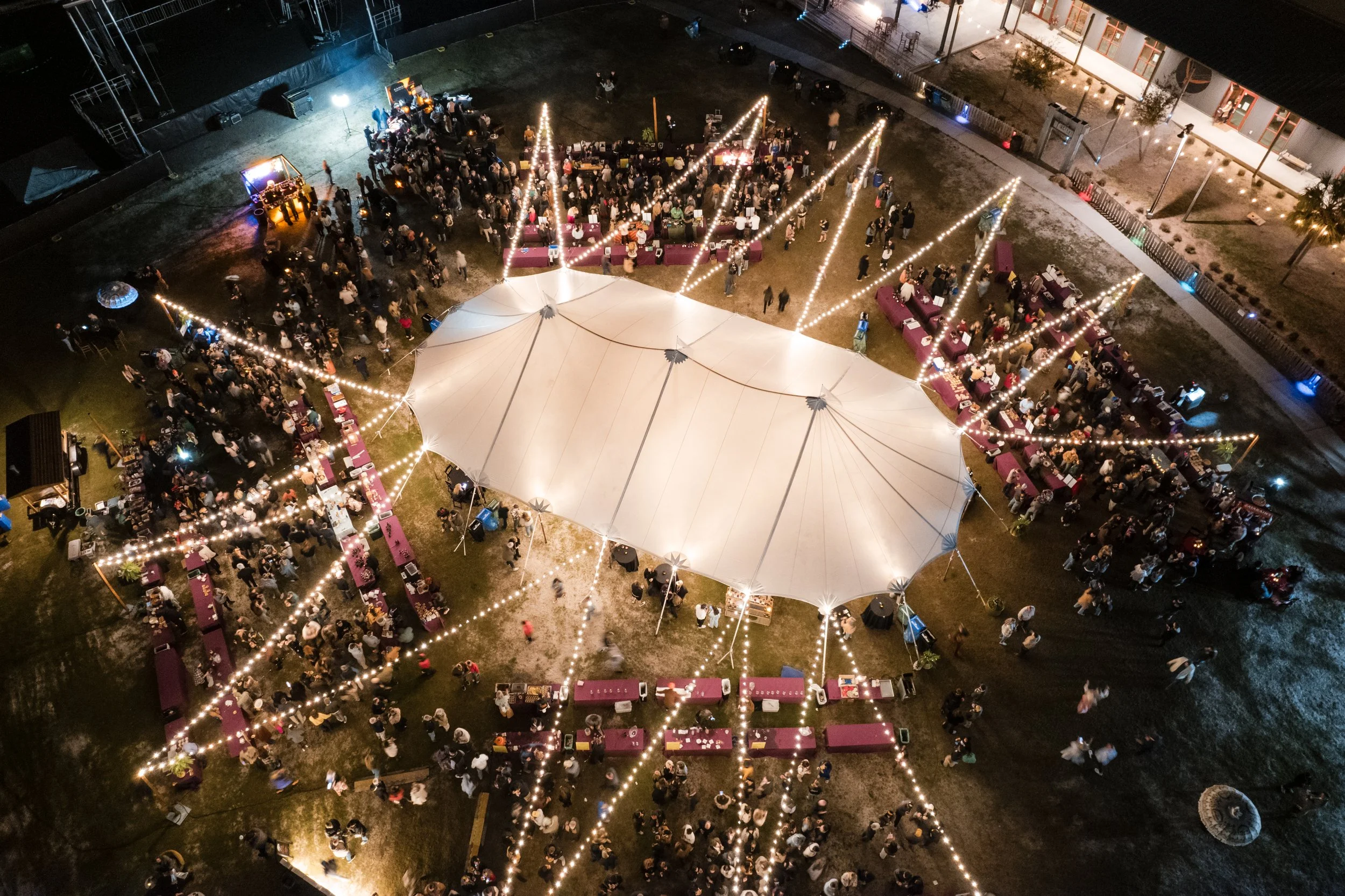
“These are the people who helped position Charleston nationally,” Smith explains. “And a lot of them were also mentors—people who poured into others and shaped careers. They’re part of the glue that holds the culinary community together.”
That sense of continuity—of honoring legacy while building forward—has always been central to Charleston Wine + Food’s mission. Even in its early years, guest chefs like Michael Toscano (who appeared as early as year three) were invited not to overshadow local talent, but to engage with it. The festival’s success has always been rooted in collaboration rather than hierarchy.
Behind the scenes, the nonprofit infrastructure supporting the festival has grown just as intentionally—yet often feels overlooked. In 2025, the CHSWF Culinary + Hospitality Foundation was formally established to serve as the supporting foundation for Charleston Wine + Food and to deepen its community impact. The Foundation invests directly in workforce development, education, financial assistance, and community-building initiatives—addressing real challenges like employee retention, workforce readiness, and economic insecurity within the hospitality industry.
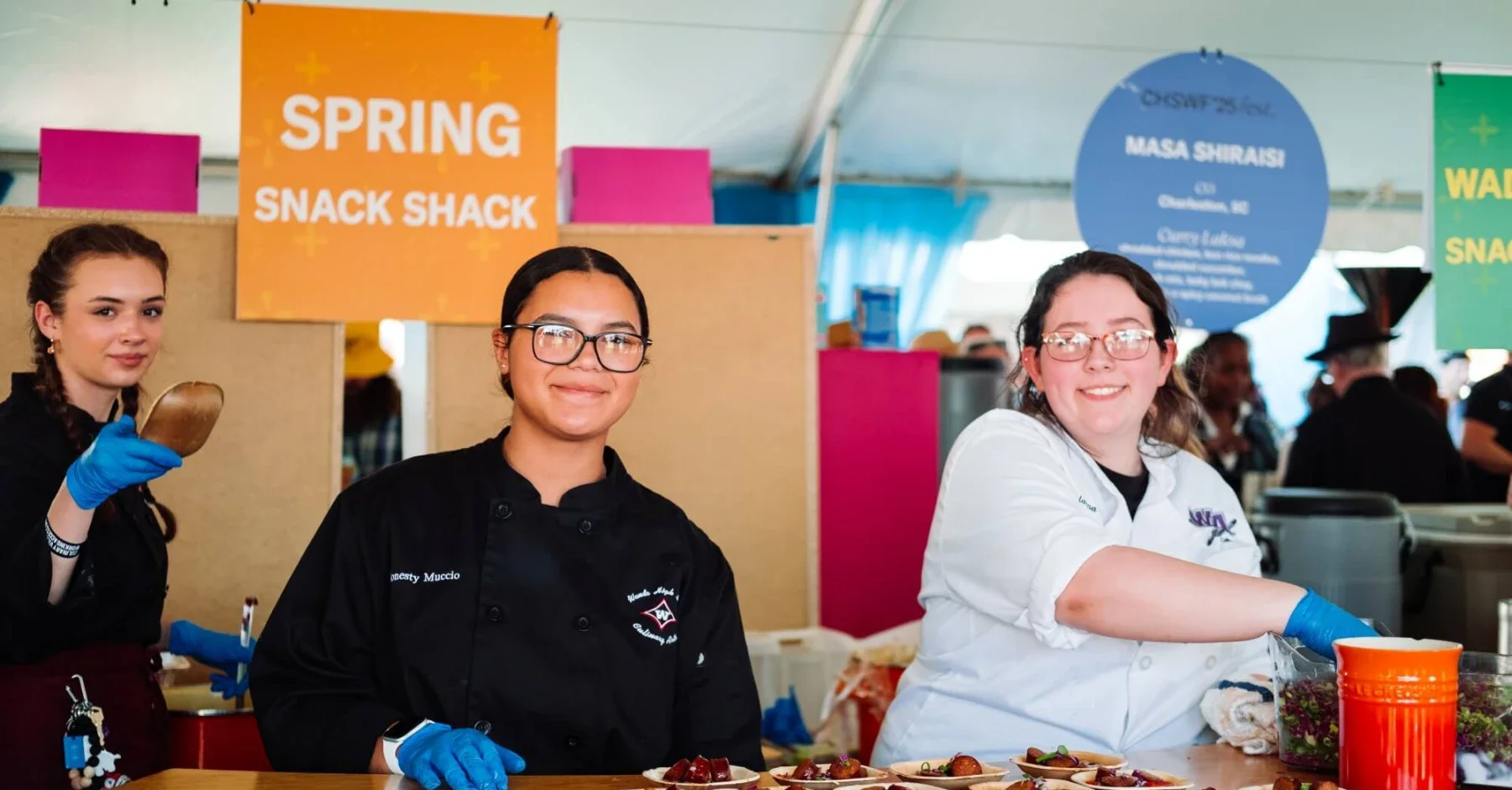
That community-first approach is reflected not just in philosophy, but in measurable impact. Each year, Charleston Wine + Food directly supports more than 300 local businesses, creating meaningful opportunities for chefs, farmers, makers, and hospitality professionals across the region. Since 2023, the organization has awarded 1,300+ grants to festival talent—ensuring participation is accessible, equitable, and sustainable for those who bring the festival to life. At the same time, its education initiatives now reach 1,000+ high school culinary students, introducing young people to real-world pathways in food and hospitality and reinforcing the festival’s long-standing commitment to workforce development and the future of the industry.
Among its most enduring commitments are scholarships for culinary and hospitality students at the College of Charleston, along with mentorship initiatives inspired by icons like the late, great Natalie Dupree. But some of the most transformative work is happening even earlier—at the high school level.
In 2023, CHSWF piloted a workforce development program with just four high schools. Today, that initiative spans two school districts and ten high schools, representing a 500% growth in just two years.
“The goal is education, mentorship, and support for food and beverage,” Smith says. “We’re pouring into the next generation so they can enter this field—and stay local.”
More than exposure, the program builds tangible pathways into the workforce, addressing staffing shortages while offering young people viable, respected career options within their own community.
As Charleston Wine + Food enters its 20th year, the organization is launching a $500,000 fundraising campaign designed to ensure the long-term sustainability of both the festival and the community it serves.
“This milestone represents the incredible journey we’ve had in uniting chefs, beverage makers, and hospitality professionals to create a national platform for Charleston,” Smith says. “Now, we’re asking the community to help us continue that legacy and shape what comes next.”
Funds raised through the campaign will directly support four critical areas:
Supporting Emerging Talent by expanding mentorship and education programs that prepare the next generation of culinary and hospitality leaders.
Providing Financial Resources through grants, scholarships, emergency relief, and business support for individuals and organizations in need.
Ensuring Sustainability by strengthening the long-term operational health of Charleston Wine + Food—allowing it to continue delivering world-class experiences year after year.
Fostering Community Connections by creating more opportunities for collaboration and unity across Charleston’s food and beverage ecosystem.
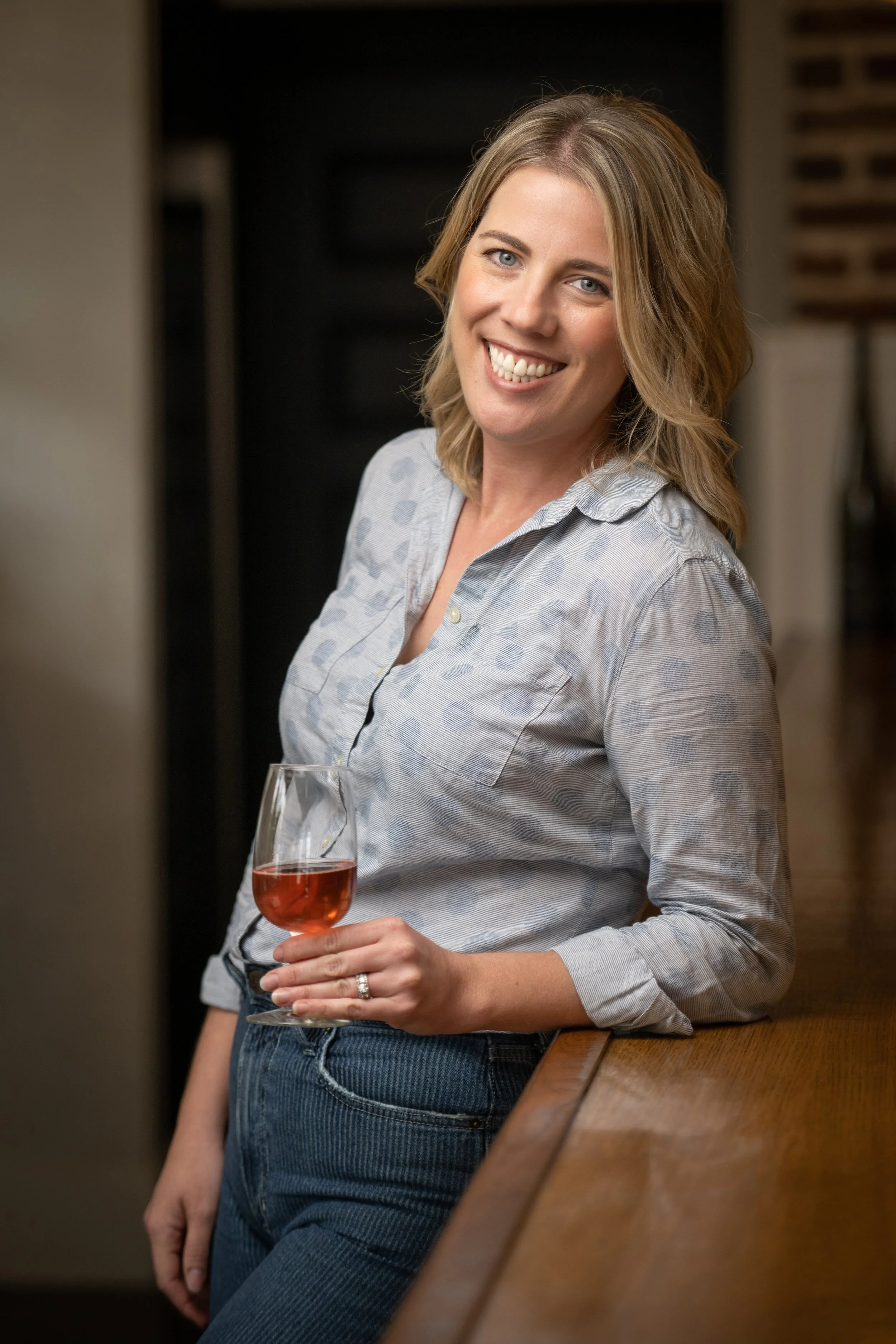
For Smith, the most meaningful moments of the festival still happen far from the spotlight. They live in the relationships—late nights, early mornings, and the shared absurdities that define life in hospitality.
“One of my favorite memories is just the relationships,” she says, laughing as she recalls chef Christine Lau standing on the side of the road at midnight, waiting for an Uber post-event, eating the BEST chicken wings straight from the pan. “I wholeheartedly believe people in food and beverage are the best people in the world.” Chef Lau still saves Alyssa a small plate from whatever she’s cooking at the festival each year—a warm, affectionate nod to that hilarious first meeting.
She feels the same way about her team. “Every year, getting to the finish line together—it’s emotional,” Smith says. “I feel so blessed to work with such a talented, caring group of people. They show up for each other all year long.”
For those who have never attended Charleston Wine + Food, this year offers something rare: a chance to experience not just a festival, but a living, breathing ecosystem built on two decades of trust, mentorship, and shared purpose.
Specifically, this year, festivalgoers can look forward to an Opening Night Reunion that brings Charleston’s culinary pioneers together in one room, uniting chefs past and present for an evening filled with iconic dishes and the unmistakable spirit of community. From there, the celebration continues with 20 Years at Charleston’s Table, a multi-course dinner tracing the city’s culinary evolution, Island Time, a vibrant, Caribbean-inspired fête on Charleston Harbor that highlights the deep cultural ties between the Lowcountry and the Islands through food, drink, and music, and so much more.
“It does get better every year,” Smith says. “But this year, there’s so much intention. We’re honoring where we’ve been, celebrating what’s happening now, and investing in who’s next.”
Strategy and resilience, too. The importance of that became even clearer during the year the festival was canceled—an experience that reshaped how the organization thinks about resilience.
“That year taught us you always have to have a contingency plan,” Smith reflects. “It was crushing to plan all year for an event and then not be able to produce it the way you wanted to. But it also made us more strategic.”
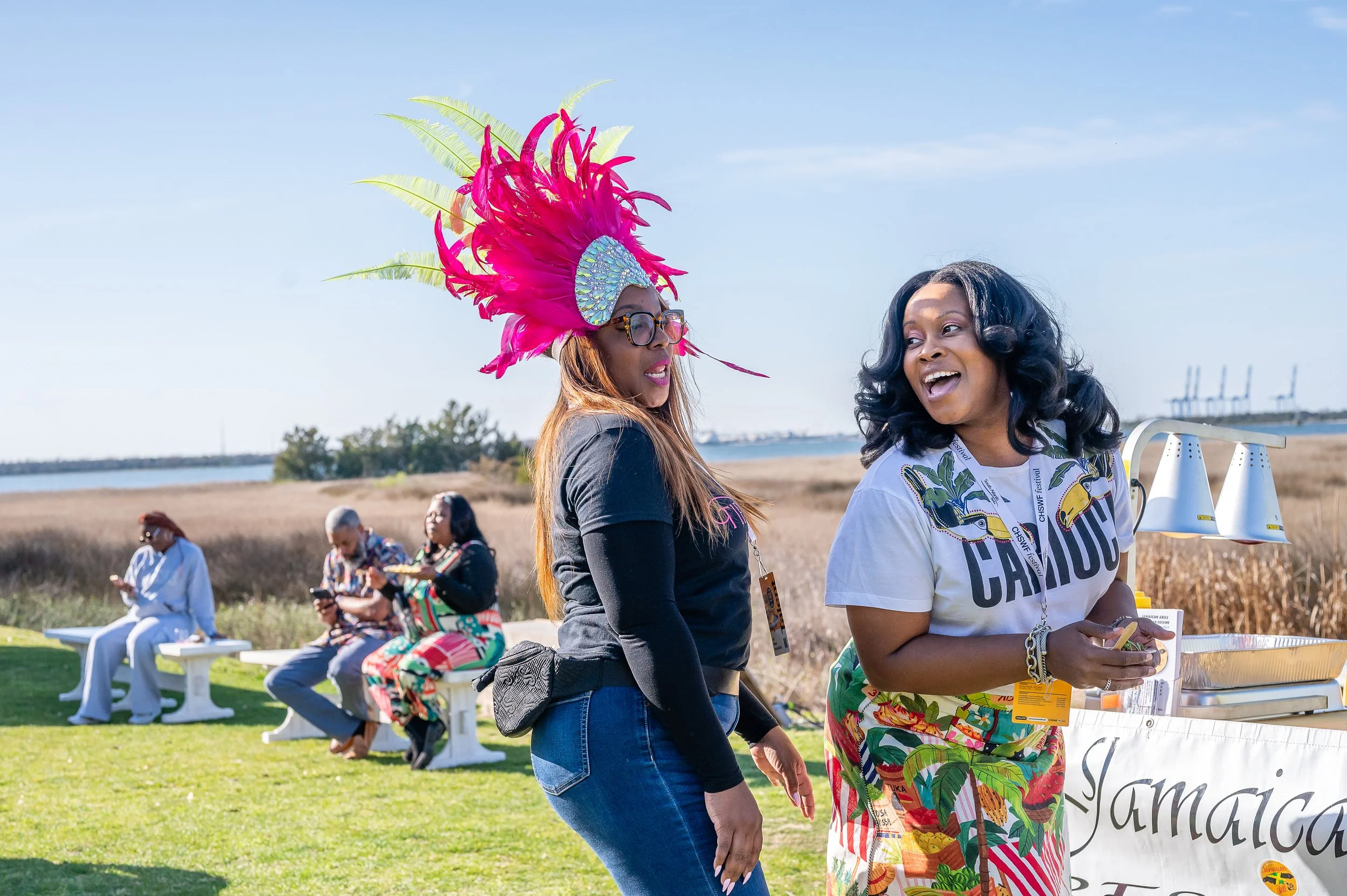
Strategic. Impactful. Focused on the very community that this event started out to help thrive two decades ago.
And that may be the most important takeaway of all. When you attend an event, buy a ticket, or contribute to the 20th-year campaign, you’re not just enjoying exceptional food and drink. It’s more than fancy outfits and bold backdrops for an Instagram reel. You’re investing in a nonprofit that believes the future of Charleston’s culinary culture depends on the people behind it—and is committed to making sure they thrive for generations to come.