
From the Farm Gate to the Dinner Plate: The Power of South Carolina’s Chef Ambassadors
By Pamela Jouan
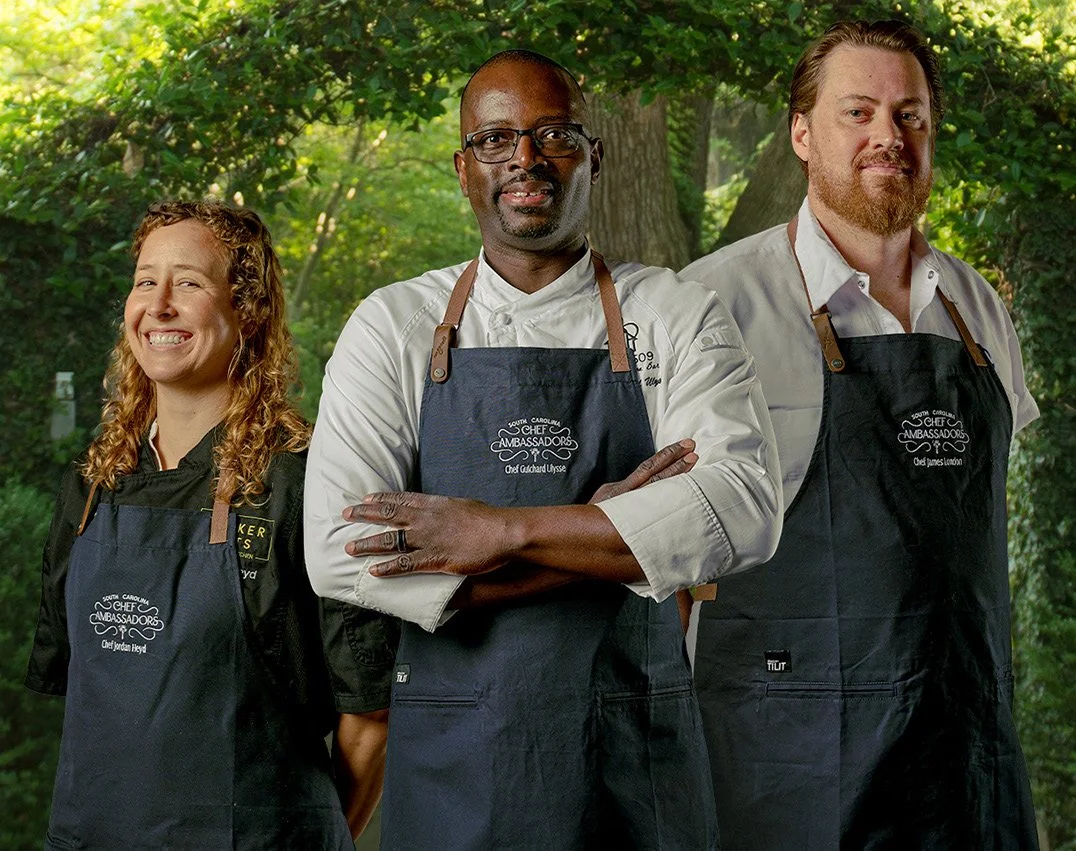
In South Carolina, food is more than sustenance—it’s a story, a livelihood, and a bridge between land and table. Since its launch in 2014, the South Carolina Chef Ambassador program has helped reshape how that story is told. A collaborative effort led by the South Carolina Department of Agriculture (SCDA) and South Carolina Department of Parks, Recreation & Tourism (SCPRT), the program appoints chefs—selected by the governor—who are committed to showcasing Certified South Carolina ingredients while championing the farmers, fishermen, and producers behind them.
At its core, the initiative is deceptively simple: connect chefs more directly to local agriculture and give them a platform to share that connection with the public. But more than a decade in, it has become something far richer—a living network of culinary leaders who don’t just cook, but advocate, educate, and elevate.
For Hugh E. Weathers, the South Carolina commissioner of agriculture, the program represents something deeply personal. As a fourth-generation farmer, he understands the isolation that can come with working the land—and the profound impact of feeling supported.
“Farmers can sometimes wonder if they’re ‘fighting the battles’ alone,” Weathers says. “With the partnership with chefs from across the state, our producers can see one more example that they have a team around them.”
That team stretches across the entire food chain. From outdoors to oven, each step matters—but chefs, he notes, are uniquely positioned to close the gap between production and consumption. “From the farm gate to the dinner plate, our farm products make their way through the food chain,” he says. “It’s very encouraging to have chefs use their talents and platforms to remind consumers that it’s always about the quality of the crop grown by our farmers.”
That message carries significant economic weight. Under Weathers’ leadership, agribusiness in South Carolina has grown into a $51.8 billion industry. Restaurants—often viewed through a cultural or experiential lens—are, in fact, a critical economic engine within that system.
“Every link in the food chain between the farmers and consumers plays a vital role,” he explains. “A great restaurant with the passion of talented chefs is one of the best ways to get South Carolina-grown food onto our tables.”
A Vision That Stuck
When the program first launched, its architects had a clear vision: chefs would serve as ambassadors not just for cuisine, but for place. According to Eva Moore, communications director for the South Carolina department of agriculture, that vision has proven remarkably durable.
“It was simply this: chefs are the ideal representatives for both agriculture and tourism,” Moore says. “They’re tied to their communities and to the food grown there. By giving them a platform, we can highlight South Carolina’s food history, its farmers, and its diverse places.”
What has evolved, however, is the program’s reach. “It has become more high profile than we ever imagined,” she notes. “Chefs view the Chef Ambassador title as a true honor.”
Perhaps even more telling is what happens after a chef’s official term ends. “It’s not like they just serve their time and then check out,” Moore says. “Once they’re a Chef Ambassador, they’re always doing the work.”
That ongoing commitment has created a kind of culinary continuity across the state—where seasoned ambassadors mentor new ones, and where the message of local sourcing continues to ripple outward.
The chefs themselves serve as storytellers, translating the language of agriculture into something immediate and sensory. Through cooking demonstrations, media appearances, and initiatives like the “Greatness Grown” video series, they shine a spotlight on the people behind the ingredients.
“Chef Ambassadors are always naming particular farms and suppliers,” Moore says. “They help people learn how to source local food and tell the stories behind it.”
And those stories matter—not just culturally, but economically. “Buying locally grown food keeps dollars in the community and supports farmers,” she adds. “Chefs help us spread that message.”
The Class of 2026, A Broader Story
Each year, a new class of ambassadors reflects the evolving face of South Carolina’s culinary scene. This year’s cohort—Chef Jordan Heyd, Chef James London, and Chef Guichard Ulysse—spans regions, backgrounds, and culinary perspectives, offering a snapshot of a state that is both rooted and rapidly expanding.
What stands out most, Moore says, is their diversity—not just in geography, but in influence. “This class blends some exciting international influences—from South Africa to France to Haiti—still with a real focus on South Carolina ingredients.”
That interplay between global technique and local sourcing is where the program truly comes alive. It’s also where the chefs themselves find purpose.
Charleston’s Chef James London
@chubbyfish
For Chef James London, a South Carolina native and the force behind one of Charleston’s most celebrated seafood restaurants, Chubby Fish, cooking locally isn’t a philosophy—it’s a given.
“Cooking local is not a trend in Charleston,” he says. “It’s simply how you cook if you care.”
At his restaurant, the menu is dictated not by concept but by availability. “The best ingredients are whatever came from the boats or farms that morning,” he explains. “Our job is to get out of the way of great ingredients and let them shine.”
That approach underscores a larger truth about South Carolina’s food culture: its strength lies not just in tradition, but in its immediacy. The proximity to farms and fisheries allows chefs to work in real time, creating dishes that reflect the exact moment they’re in.
But London also sees an opening in how those stories are shared. “South Carolina’s biggest opportunity is continuing to tell the stories behind our ingredients and the people who produce them,” he says. “We have incredible seafood, farmers, and food traditions here. My goal is to use our platform to celebrate those producers and show how special this place is.”
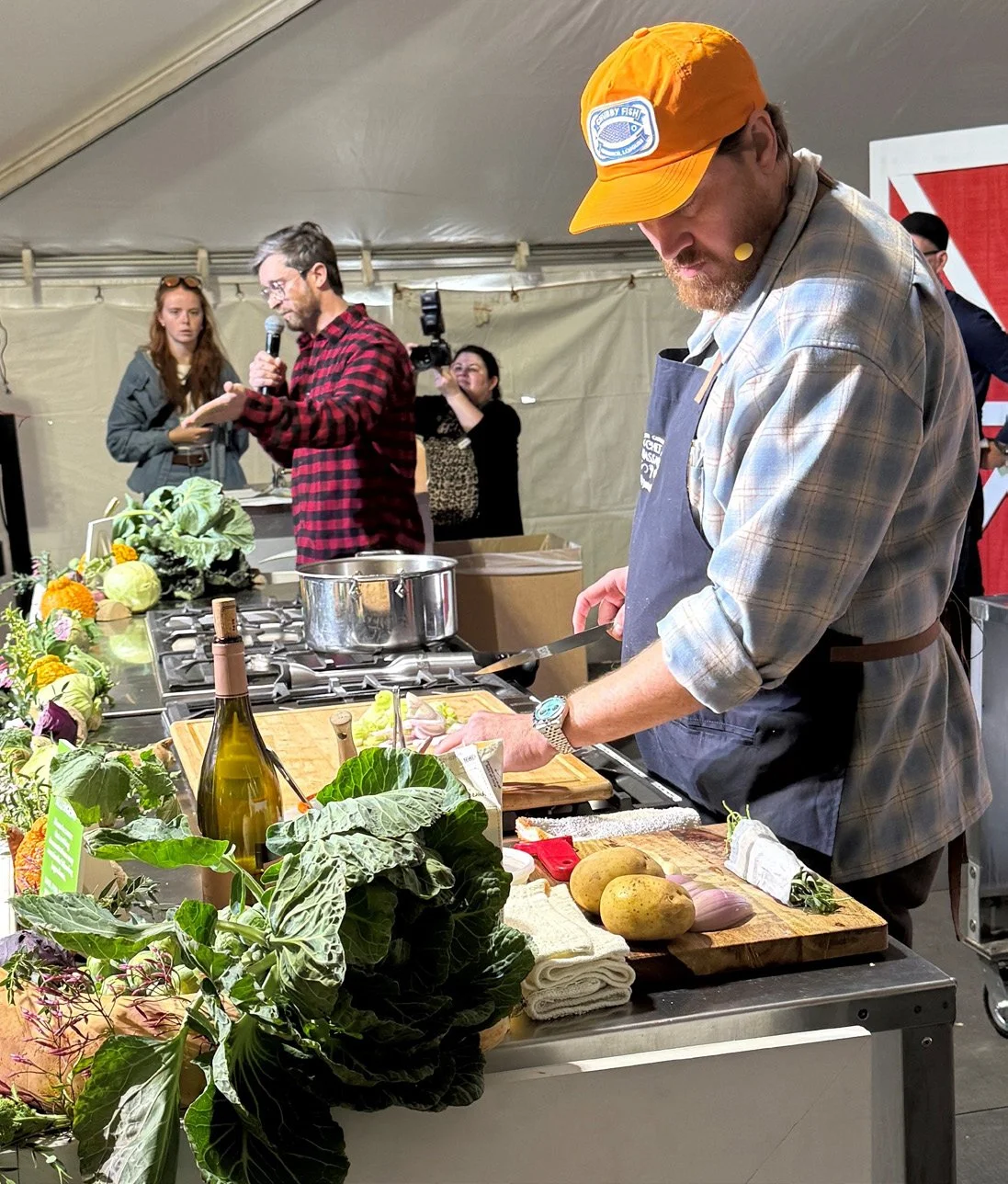
CHEF JAMES LONDON
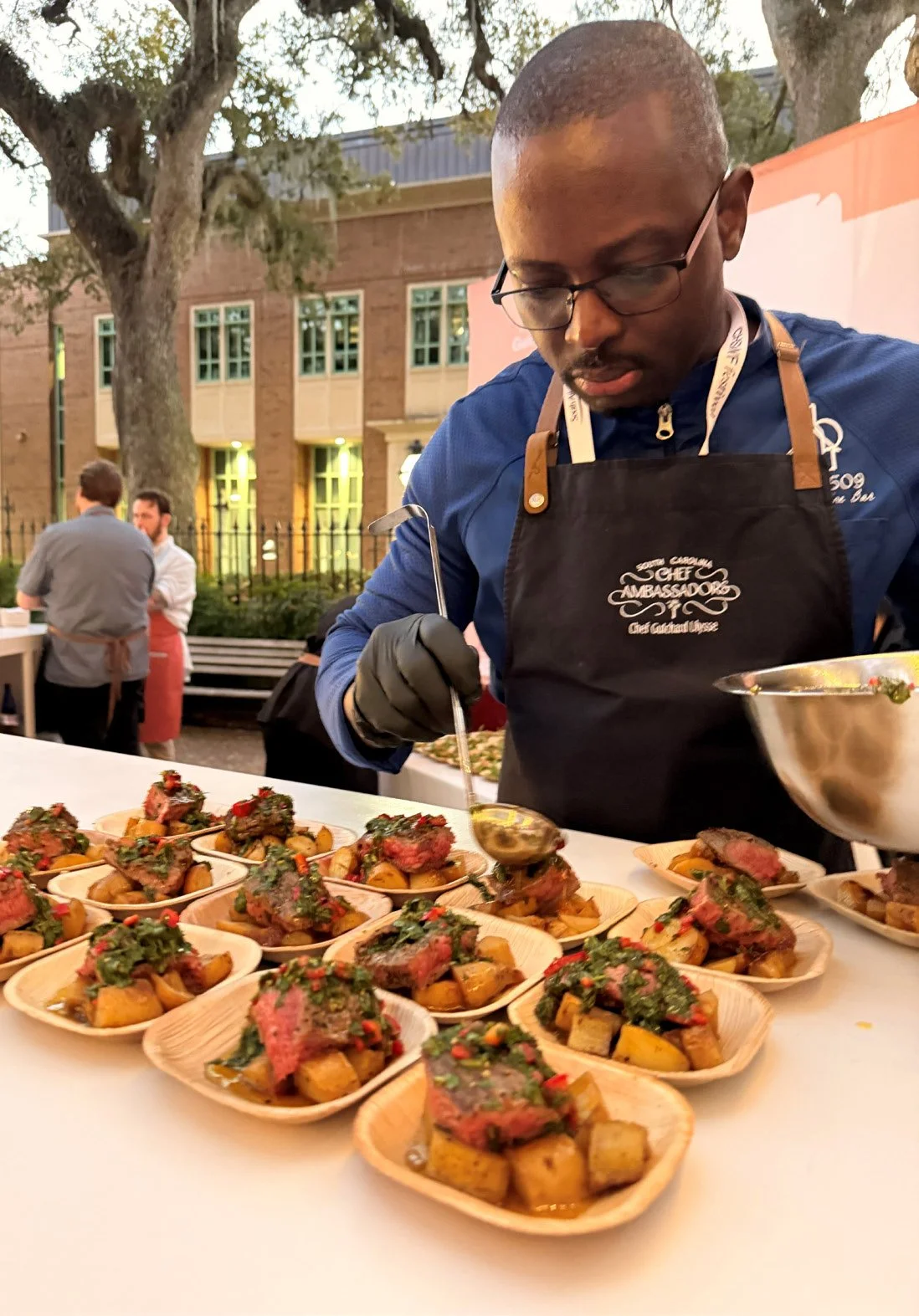
CHEF GUICHARD ULYSSE
Greer’s Chef Guichard Ulysse
@house509bistro
For Chef Guichard Ulysse, the idea of South Carolina cuisine is both deeply rooted and wide open. Born in Haiti and trained in classical techniques, his cooking at House 509 weaves together Caribbean, French, and Creole influences—filtered through local ingredients.
“No matter the dish, the ingredients are what connect the food to the land, the people, and the moment,” he says. “When I cook locally, I’m not just recreating a dish—I’m reinterpreting it through the lens of the community.”
That reinterpretation is where authenticity lives. “The tomatoes taste different, the greens carry the character of the region’s soil, and the seasons naturally guide creativity,” he explains. “Local ingredients allow us to take classic techniques and give them a voice that belongs right here in South Carolina.”
Ulysse describes dining in the state as experiencing a “living heritage”—one that is still being written. But he’s also candid about the gaps. “Too often, Carolina cuisine is presented through a narrow lens,” he says. “In reality, it’s been shaped by indigenous influences for generations.”
His work aims to broaden that narrative, highlighting the layered histories that define the region’s foodways. “It’s about showing that authenticity isn’t fixed—it evolves,” he says. “My goal is to contribute to a more inclusive, honest narrative of Carolina foodways.”
Myrtle Beach’s Chef Jordan Heyd
Chef Jordan Heyd brings yet another dimension to the program: wellness. A graduate of the Culinary Institute of Charleston with international experience and a personal journey shaped by living with Type 1 diabetes, her approach centers on nourishment as much as flavor.
“Eating locally is one of the most impactful ways to eat well,” she says. “When ingredients are sourced close to home, they’re harvested at peak ripeness and don’t have to endure long transportation or extended storage.”
The result is food that is fresher, more vibrant, and more nutrient-dense. But for Heyd, it’s also about connection. “We know our farmers, we understand how the food is grown, and we can confidently share that story with our guests.”
As a Chef Ambassador, she sees her role extending far beyond the plate. “We have a unique ability to influence how people think about what they’re eating—not through restriction, but through quality, sourcing, and intention,” she says.
That influence, she believes, can shift habits in meaningful ways. “People want to know where their food comes from,” she says. “When guests walk through our doors, I want them to feel confident that they’re being served food that is thoughtfully sourced, nutrient-rich, and aligned with a bigger purpose.”
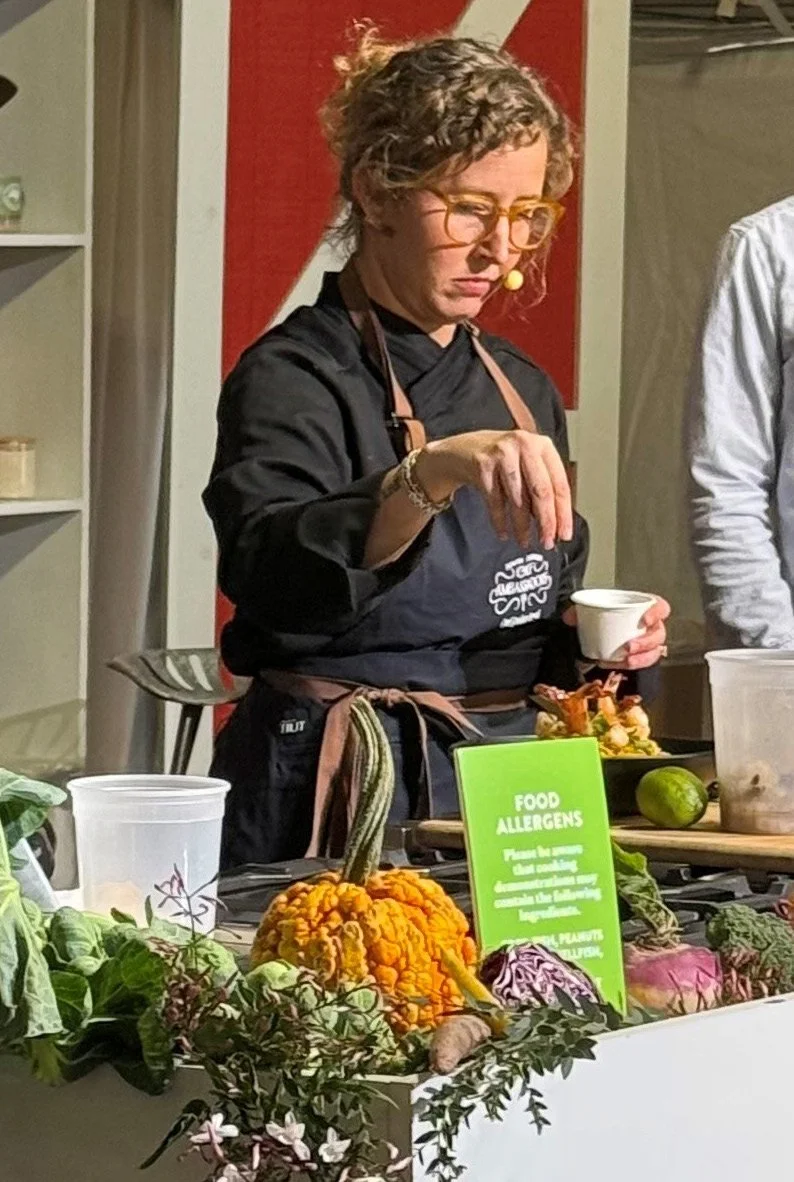
CHEF JORDAN HEYD
A Simple Ask with Lasting Impact
For all its complexity, the message behind the Chef Ambassador program can be distilled into a single, actionable idea.
“Seek out Certified South Carolina Grown food when you can,” Moore says. “And beyond that, think about where your food comes from. Every bite you take, someone grew, raised, or fished for that.”
It’s a reminder that the act of eating is never isolated. It’s part of a larger system—one that connects farmers, chefs, and communities in ways that are both tangible and deeply human.